
 EN
EN
 UA
UA

A referring domain is any external website that links to your site through one or more backlinks.
For example, if Website A links to Website B, then Website A acts as the referring domain.
If three unique websites link to your blog post, your post has three referring domains.
In SEO, each referring domain signals that another source considers your content trustworthy enough to reference. Search engines interpret these links as recommendations, which directly influence your visibility and rankings.
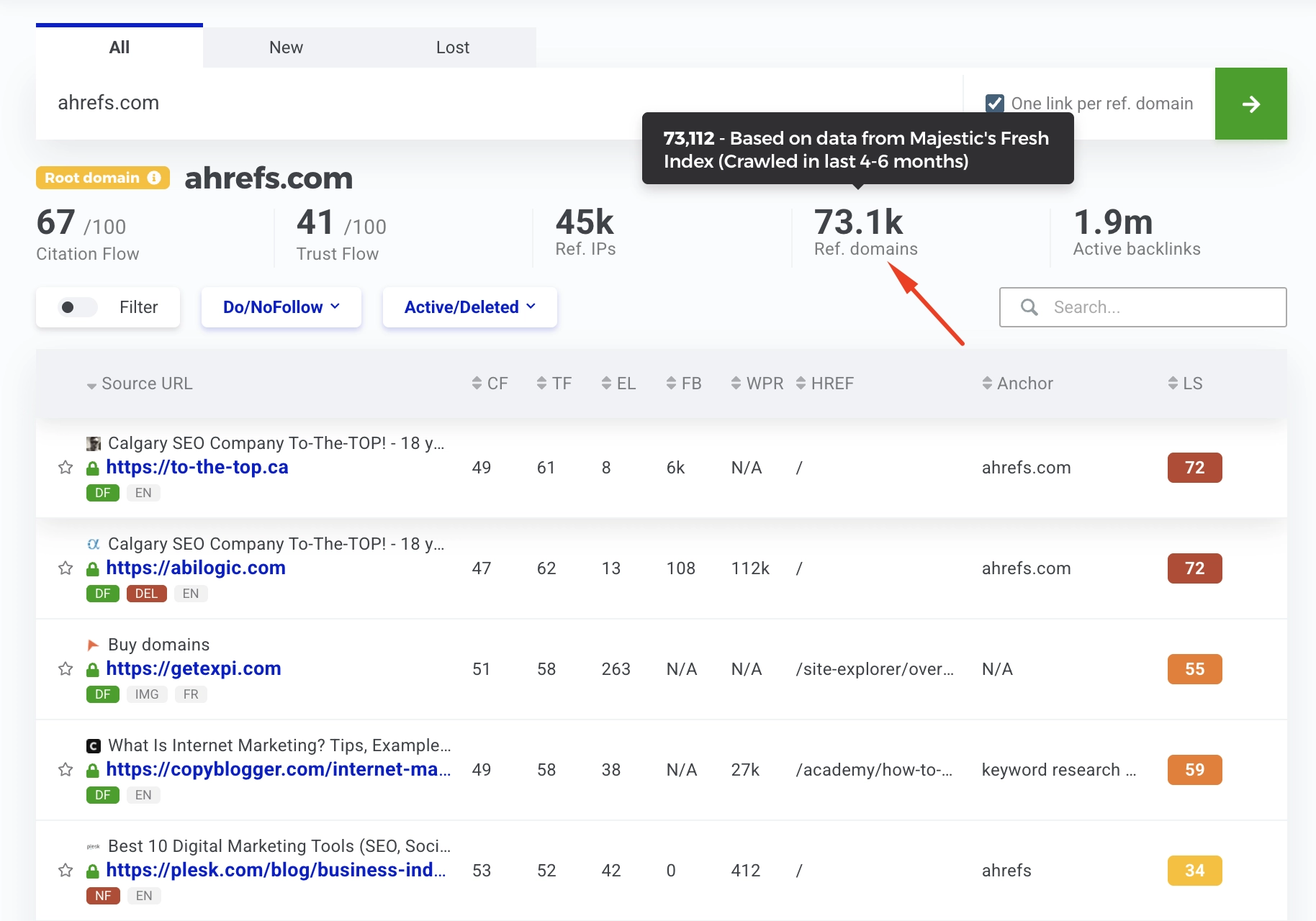
Difference Between Referring Domains and Backlinks
Although both terms are connected, they describe different SEO metrics. A referring domain is a website that links to yours, while a backlink is the actual hyperlink that connects one page to another. In other words, a single referring domain can generate multiple backlinks.
For example, if example.com links to both your homepage and your blog article, those are two backlinks coming from one referring domain.

Tracking both metrics helps understand not only the volume of links but also their diversity — a key signal of authority for search engines. The more unique referring domains link to your site, the more credible and relevant it appears to Google.
Comparison of Referring Domains and Backlinks
This table highlights the key differences between referring domains and backlinks. It helps clarify how each metric works and why both are essential for analyzing backlink profiles.
| Aspect | Referring Domain | Backlink |
| Definition | A website that links to another site through one or more hyperlinks. | A single hyperlink that connects one web page to another. |
| Quantity | One referring domain can generate multiple backlinks. | Each backlink represents an individual link instance. |
| Example | If example.com links twice to your site, it counts as 1 referring domain. | Those two hyperlinks count as 2 backlinks. |
| SEO Role | Shows how many unique sites trust or recommend your content. | Measures the total number of links pointing to your pages. |
| Impact | Greater diversity of referring domains increases authority and trust. | A large number of backlinks can strengthen relevance if they come from quality sources. |
In SEO, both metrics should be analyzed together. Referring domains reflect who links to your site, while backlinks show how many times they do — together, they define the strength and quality of your overall link profile.
Why Referring Domains Matter for SEO
Referring domains matter because they directly influence how search engines assess your site’s trustworthiness and relevance. Google evaluates both the quantity and quality of unique domains linking to your site to assess relevance and trust.
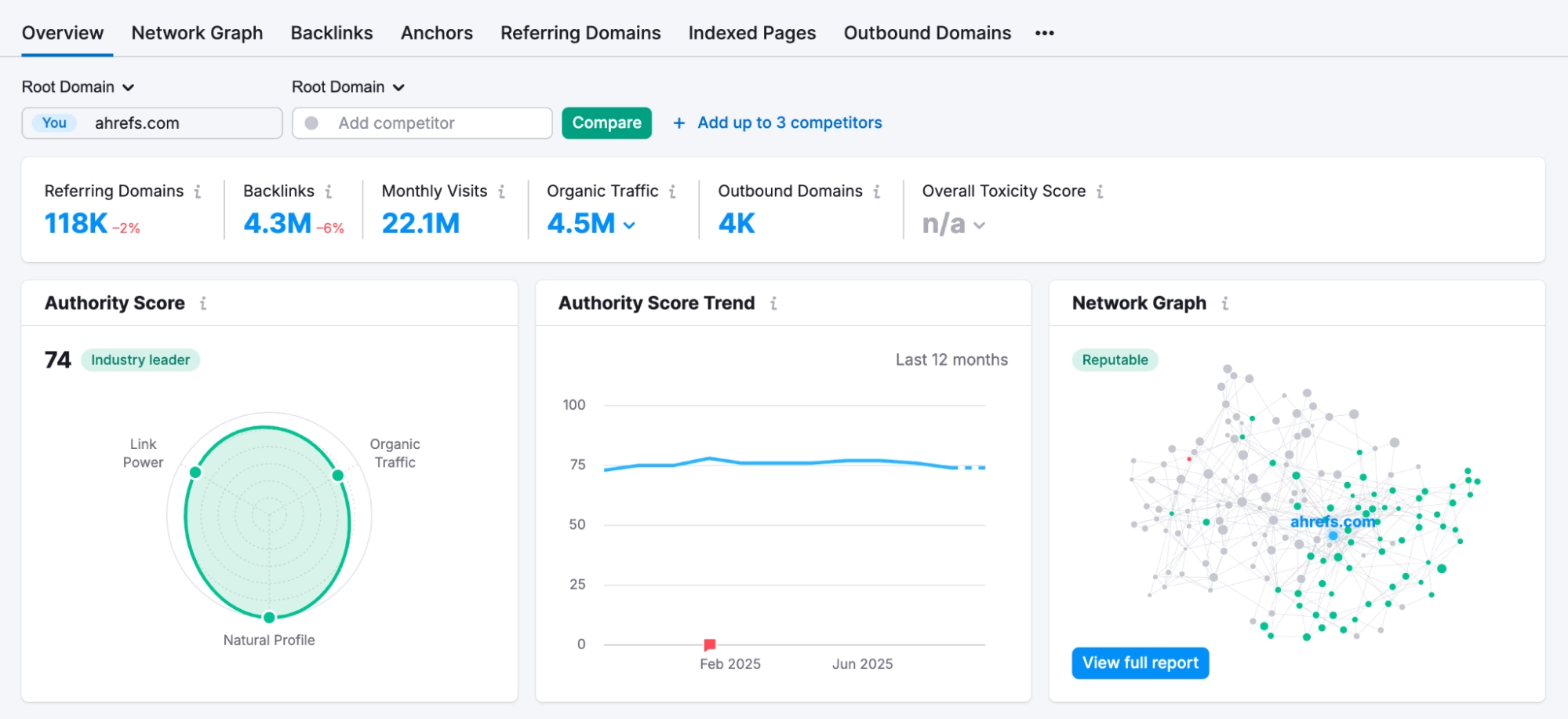
According to industry data, pages that rank first on Google often have more than 200 referring domains, while those in the tenth position have fewer than 80. This correlation shows that the more high-quality referring domains a website earns, the better its potential to rank for competitive queries.
A strong network of referring domains improves both visibility and reputation. Each unique source that links to your site brings new users, enhances authority, and builds long-term trust.
| Benefit | What It Means for SEO and Growth |
| Broader exposure | Your content reaches new audiences through different websites and platforms. |
| Higher organic traffic | More diverse links attract steady visitors from search results and referral clicks. |
| Stronger credibility | Trusted domains linking to your content act as endorsements of quality. |
| Better ranking stability | Multiple reputable domains reduce the impact of algorithm changes. |
| Faster indexing | Frequent links from active domains help search engines discover and update your pages faster. |
| Wider brand recognition | Consistent mentions across industries reinforce your brand identity and authority. |
What Makes a Referring Domain High Quality
A high-quality referring domain is relevant to your topic, has a solid reputation, and earns consistent organic traffic. Links from such domains carry more SEO weight and build stronger trust signals for your website.
The best referring domains are established sources – industry blogs, educational sites, news media, or recognized companies. They provide clean, natural backlinks with meaningful anchor texts and low spam scores.
By contrast, links from spammy or unrelated domains can dilute your profile and risk algorithmic penalties.
To evaluate quality, use authority metrics like Domain Rating (Ahrefs), Domain Authority (Moz), or Authority Score (Semrush).
How to Check Referring Domains
You can check your referring domains through SEO platforms that track backlinks and link quality.
The most popular tools include Google Search Console, Ahrefs, Semrush, and SE Ranking.
| Tool | Main Use |
| Google Search Console | Displays “Top linking sites” and the number of links per domain. |
| Ahrefs | Analyzes referring domains, lost links, and overall authority trends. |
| Semrush | Compares backlink ratios, authority scores, and identifies toxic domains. |
| SE Ranking | Shows anchor distribution, geographical link data, and link toxicity levels. |
Regular monitoring reveals new linking opportunities, detects lost connections, and protects your site from harmful links.
How to Get More Referring Domains
The best way to get more referring domains is to create valuable content that others naturally want to reference. Quality and relevance always outweigh quantity.
Below are some of the most effective and proven methods for gaining new referring domains:
| Method | How It Works | Main Advantage |
| Guest posting | Write expert articles for reputable websites that include a backlink to your content. | Builds authority and credibility while expanding reach. |
| Broken link replacement | Find broken links on other sites and offer your page as a working alternative. | Easy entry point for quality backlinks and relationship building. |
| Digital PR | Share research, insights, or data with journalists and industry media. | Attracts high-authority backlinks and brand mentions. |
| Competitor analysis | Study your competitors’ backlink profiles to identify new linking domains. | Helps discover relevant sites already open to your niche. |
| Creating linkable assets | Publish infographics, case studies, or original research that others want to cite. | Encourages organic backlinks over time. |
| Directory submissions | Add your site to trusted, niche-specific business or educational directories. | Provides initial exposure and long-term referral traffic. |
Consistent outreach, authentic collaboration, and useful content remain the most reliable ways to attract a wider range of trustworthy referring domains – the foundation of a healthy backlink profile.
Final Thoughts on Referring Domains
Referring domains are one of the clearest indicators of website authority. A few strong, contextually relevant links from trusted sources can outweigh dozens of low-quality backlinks. Maintaining and growing a clean, diverse link profile strengthens SEO performance, stabilizes rankings, and builds long-term credibility in your niche.
FAQ
Backlinks are individual links, while referring domains are the unique websites providing them. One site can create several backlinks but counts as a single referring domain.
There’s no universal number, but top-ranking pages often have hundreds of unique referring domains. The key is diversity and quality, not volume.
Use Google Search Console or tools like Ahrefs, Semrush, or SE Ranking to view your referring domains and analyze their authority.



Learn key terms and concepts to navigate content writing, SEO, and iGaming confidently.
