

 EN
EN
 UA
UA
Home
 BlogSEO & Marketing10 Things You Should Know About Medical Writing from the We–Right Team
BlogSEO & Marketing10 Things You Should Know About Medical Writing from the We–Right Team
10 Things You Should Know About Medical Writing from the We–Right Team
SEO & MarketingMedical writing combines science and clarity to create trustworthy healthcare content. This We–Right guide covers sourcing, terminology, and compliance — helping you write accurate, ethical, and audience-focused materials.
Medical writing is a specialized field of writing that combines scientific accuracy, linguistic precision, and marketing strategies. In this article, we will explore 10 key aspects of medical copywriting and share insights from the experts at We–Right Factory.
What Is Medical Writing?
Medical writing creates content regarding healthcare and medicine using accurate and valid information. It includes scientific articles, marketing texts for patients and professionals, website content for sites, and blogs. The central objective of medical writing is to express complicated information clearly and reasonably, considering the significant measures of precision and honesty.
Keep in Mind that Scientific and Marketing Writing Are Different
The specificities of medical marketing writing are very different from those of scientific writing. Writing for scientific papers requires maximum objectivity and accuracy of data, whereas writing in marketing is for attracting the attention of the reader. The main difference is that marketing medical writing has to be engaging and accessible to a broad audience.
Always Base Medical Writing on Evidence-Based Information
Medical writing must always be grounded in reliable, evidence-based sources. Writers should reference:
- Studies published in peer-reviewed journals (PubMed, The Lancet, JAMA);
- Official guidelines from organizations like WHO, FDA, ECDC, and others;
- Clinical protocols and treatment standards.
Using unverified information in medical writing can lead to serious consequences, including legal issues and reputational risks for the client.

Write for Your Target Audience
When we write medical content, there is a need to think who will be reading from the piece. This is the most effective and accurate approach to tailoring your text to cater to the target audience’s needs in conveying information. Depending on the type of audience, a medical writer will opt for the level of complexity and style.
- Doctors and healthcare professionals require precise terminology, research citations, and in-depth analysis;
- Patients need clear and accessible explanations without overly complex jargon;
- Pharmacists and medical representatives evaluate content based on drug applications and benefits.
Adhere to Legal and Ethical Standards When Creating Medical Content
Medical writing is subject to various regulations, including:
- Advertising laws for medical services and pharmaceuticals (e.g., EU Directive 2001/83/EC);
- Restrictions on false claims;
- Patient data confidentiality (GDPR, HIPAA).
We-Right Factory experts say it is essential to adopt these standards to protect clients’ interests and avoid legal risks in medical writing. To protect yourself from any risk of a breach, the writers must ensure carefully that their materials comply with the applicable laws.
Use Medical Terminology Correctly
One of the biggest challenges in medical writing is handling complex terminology accurately. Key principles include:
- Using precise medical terms without oversimplification in professional texts;
- Adapting information for patients with clear analogies and simple explanations;
- Avoiding excessive complexity even in expert-level content to enhance readability.
Use SEO Correctly in Medical Writing
To promote medical content in search engines, it is essential to consider SEO requirements while maintaining a balance between optimization and content quality. Key aspects include:
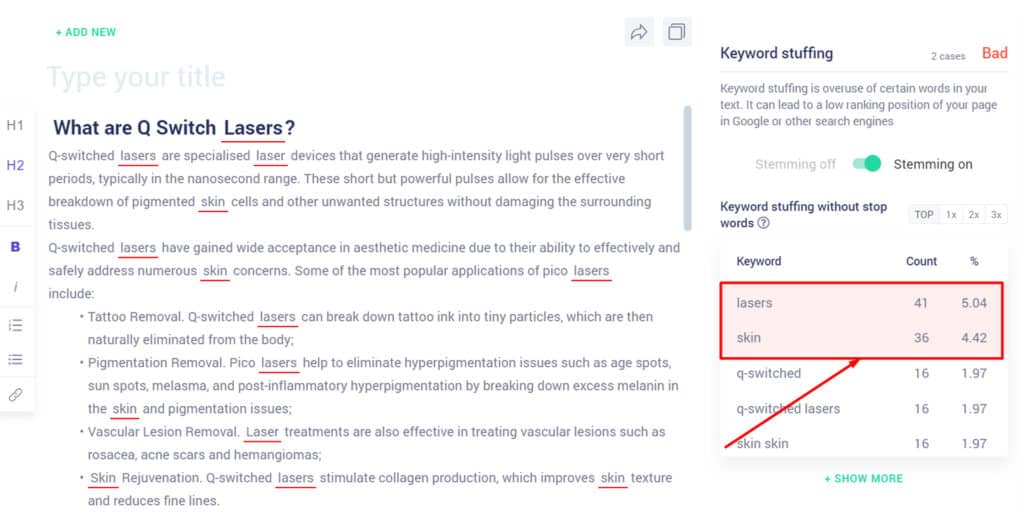
- Using keywords (but avoiding “keyword stuffing”);
- Considering Google’s E-A-T algorithms (Expertise, Authoritativeness, Trustworthiness);
- Optimizing headlines, meta descriptions, and text structure;
- Link building from authoritative websites.
It is important to remember that if the medical text is solely SEO-oriented but contains questionable information, it may be removed by search engines.
Read also our article: Inside iGaming Content Writing Agencies: Process, QA, and What to Look For
Never Compromise the Accuracy of Information for Marketing Goals
Marketing in the medical field requires special caution. For instance, you should avoid:
- Making false promises (“This drug will 100% cure cancer!”);
- Exaggerating effectiveness (“A safe product with no side effects” — every medication has side effects);
- Using aggressive calls to action (“Buy now, or it will be too late!”).
Good medical writing depends on truth in information, and on communicating to the target audience through good quality content.
Proper Use of References and Sources
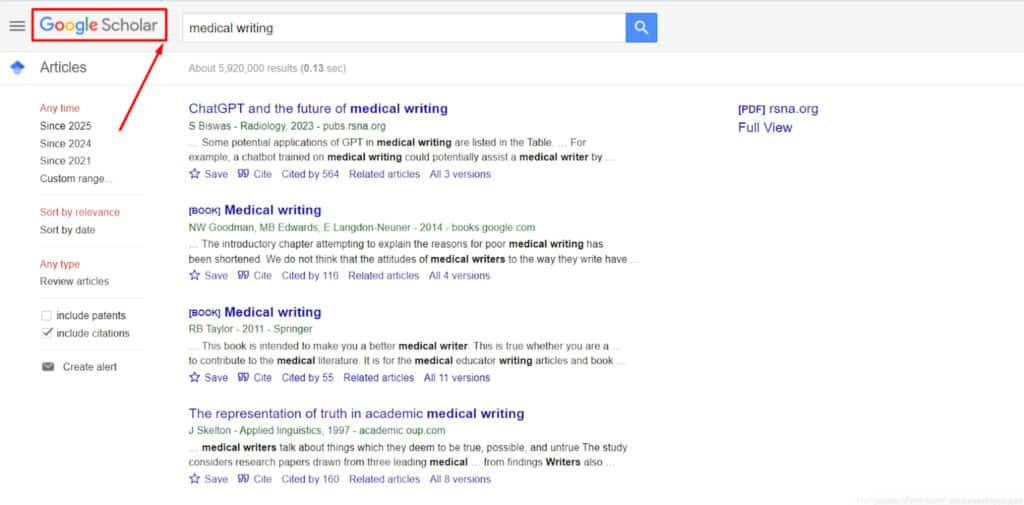
In medical writing, the sources should be cited properly in case they come from clinical studies, official guidelines or expert advice. The content can be made more trustworthy and reliable by utilizing relevant resources like Google Scholar for scientific articles, PubMed for peer reviewed research and EndNote for reference organization and management. In addition, We–Right team recommends the detailed checking of sources by the medical writer to corroborate the accuracy and validity of the information in order for the writing to be more reliable and more credible.
Consider Cultural and Regional Differences
Each region or country has its own cultural and regulatory differences. For instance, marketing materials used within the field of medicine may have different rules and restrictions in different countries. So when you are writing content, you need to follow the local standards and tradition to adhere to the regulations.
Keep Medical Content Up-to-Date
Every time the medical field is changing. Therefore, medical content should be up to date as well as in accordance with the current data. It is important not to spread out outdated information by updating materials regularly. We-Right team is updating texts regularly and in a regular way, so it’s monitoring new research and updating texts, so they would be accurate and up to date.
Conclusion: The Fundamentals of Effective Medical Writing
In order to write medical information in a way that is useful and accessible to the intended audience, one has to master high level skills and attention to detail. From data accuracy to ethical standards, every aspect matters.
Follow the recommendations of the We–Right Copywriters, and you’ll be able to create the content both informative and secure – in compliance with medical and legal criteria.
FAQ
What are the classifications of medical writing?
Scientific, marketing, educational and regulatory writing are all considered medical writing. They each have different emphases that are research, promotion, patient education, and regulations compliance.
What is the difference between technical writing and medical writing?
Technical writing is so wide; it is about technology and engineering related topics and they are about clarity and precision of the information. Medical writing is intended to be published in the healthcare industry – that is, information about medicines, disease and the procedures.
Is medical writing the same as scientific writing?
Medical writing involves making content accessible and interesting to a broad audience, including patients and professionals. Scientific writing pertains to the study of research and publication in a way that is inaccessible to a layman and is made using scientific terminology.
What is the difference between a medical writer and a medical editor?
A medical writer creates content, while an editor reviews and refines it for accuracy, style, and compliance with standards. The editor enhances the quality of the text while the writer focuses on its creation.



You might also like
Discover other helpful articles handpicked for you, based on popular topics and recent publications.


iGaming content is not just writing – it is process control, QA discipline, and regulatory awareness. In this article, we break down how professional iGaming content writing agencies actually operate and how to distinguish structured expertise from content produced at scale without safeguards.
 February 23, 2026
 133
133

Not all casino bonus reviews are actually helpful. Learn how to write reviews that truly inform players, clearly explain key terms and conditions, and build lasting trust with your readers.
February 5, 2026
208

We tested different writing approaches to see what makes how-to guides work in practice. In this review, our team shares the 11 rules we recommend, explains why they matter, and shows how you can apply them. We are ready to share our verdict.
 January 24, 2026
72
January 24, 2026
72

We tested Domain Rating (DR) from Ahrefs and Domain Authority (DA) from Moz to evaluate their real impact on SEO and link building. In this review, our team shares test results, explains key differences, and highlights where each metric works best.
September 30, 2025
319

Discover 10 expert-backed tips to improve your iGaming content in 2025 — from localization and tone to SEO, visuals, and user-focused writing that builds trust and engagement.
August 29, 2025
500